
Filter
3
Text search:
Jennifer
Ho
Topics
Religious Communication in Conflicts & Peacebuilding
1
Educational Radio Programmes
1
Interactive Audio Learning, Interactive Digital Learning, Interactive Radio Instruction
1
Developmental Evaluation (Informing the Development & Ongoing Adaptation of an Initiative)
1
Evaluation Approaches, Purposes & Frameworks
1
Learning-Centred Evaluation
1
Using Evaluation Results, Learning from Evaluations
1
Utilisation-Focused Evaluation (Focus on Intended Use by Intended User)
1
Gender & Religious Communication
1
Religion: Media Representation
1
Islam: Media Representation & Reporting
1
Religious Journalism, Religion News
1
Fundamentalisms (Religious)
1
Hinduism and Communication
1
Randomised Control Trials & (Quasi-) Experimental Designs
1
Language
Document type
Countries / Regions
Authors & Publishers
Media focus
Publication Years
Methods applied
Output Type
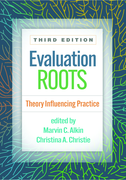
Evaluation Roots: Theory Influencing Practice
New York; London: Guilford Press, 3rd ed. (2023), ix, 318 pp.
"Showing how evaluation practice looks when guided by theory, the third edition of the influential "theory tree" book is significantly revised with over 80% new material, including a greater focus on equity and theories over theorists. Chapters from leading authorities describe the goals of each the
...
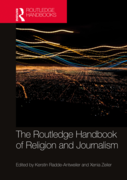
The Routledge Handbook of Religion and Journalism
Abingdon, Oxon; New York: Routledge (2021), xv, 441 pp.
"The handbook is divided into five parts, each taking global developments in the field into account: Theoretical Reflections, Power and Authority Conflict, Radicalization and Populism, Dialogue and Peacebuilding, Trends. Within these sections, central issues, debates and developments are examined, i
...

Tuned in to Student Success: Assessing the Impact of Interactive Radio Instruction for the Hardest-To-Reach
Washington, DC: Inc. Education Development Center (2009), iv, 64 pp.
"Evaluation data gathered between 1975 and 2000 demonstrated that Interactive Radio Instruction (IRI) had improved learning outcomes in conventional classrooms by between 10% and 20% when compared with control classrooms not using IRI. These programs often had relatively well-funded evaluation compo
...
